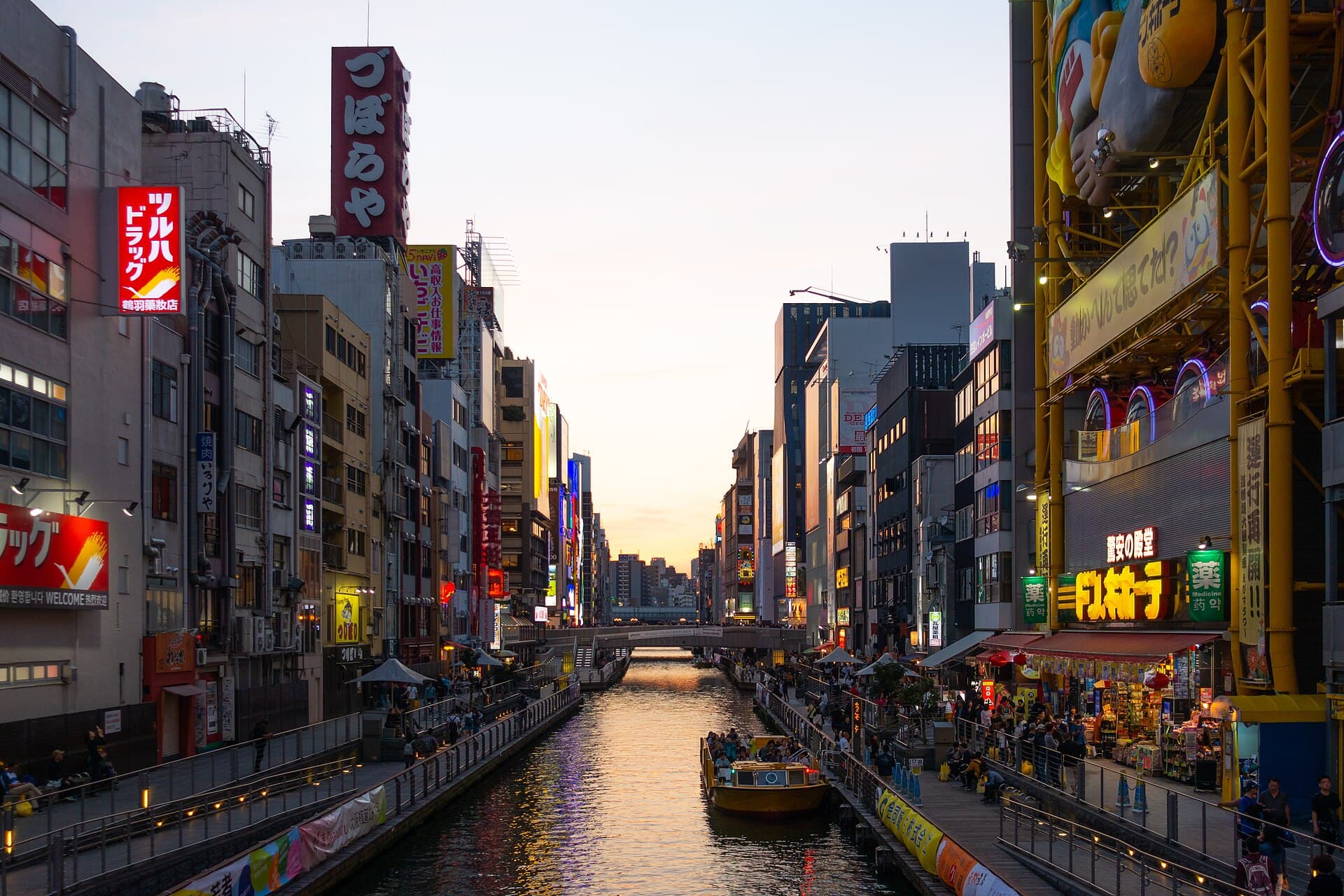
 Photo: blieusong / Wikimedia Commons · CC BY-SA 2.0
3 Days in Osaka: A Food-First Tour of Japan's Kitchen
Osaka is Japan's kitchen, and this 3-day itinerary eats it properly: a Kuromon Ichiba morning, Dotonbori's neon street-food crawl, kushikatsu in retro Shinsekai, and Osaka Castle between meals. The plan re-plans itself around your style, pace, and budget.
Pick a style, a budget and a pace — the route and days below re-plan themselves.
9 stops · 6 meals · 1 hotelThis is the editor’s pick.
3 days, 3 neighborhoods
Each day takes one part of Osaka, kept close so you walk more than you ride. The map shows the whole route — pick a day to zoom in.
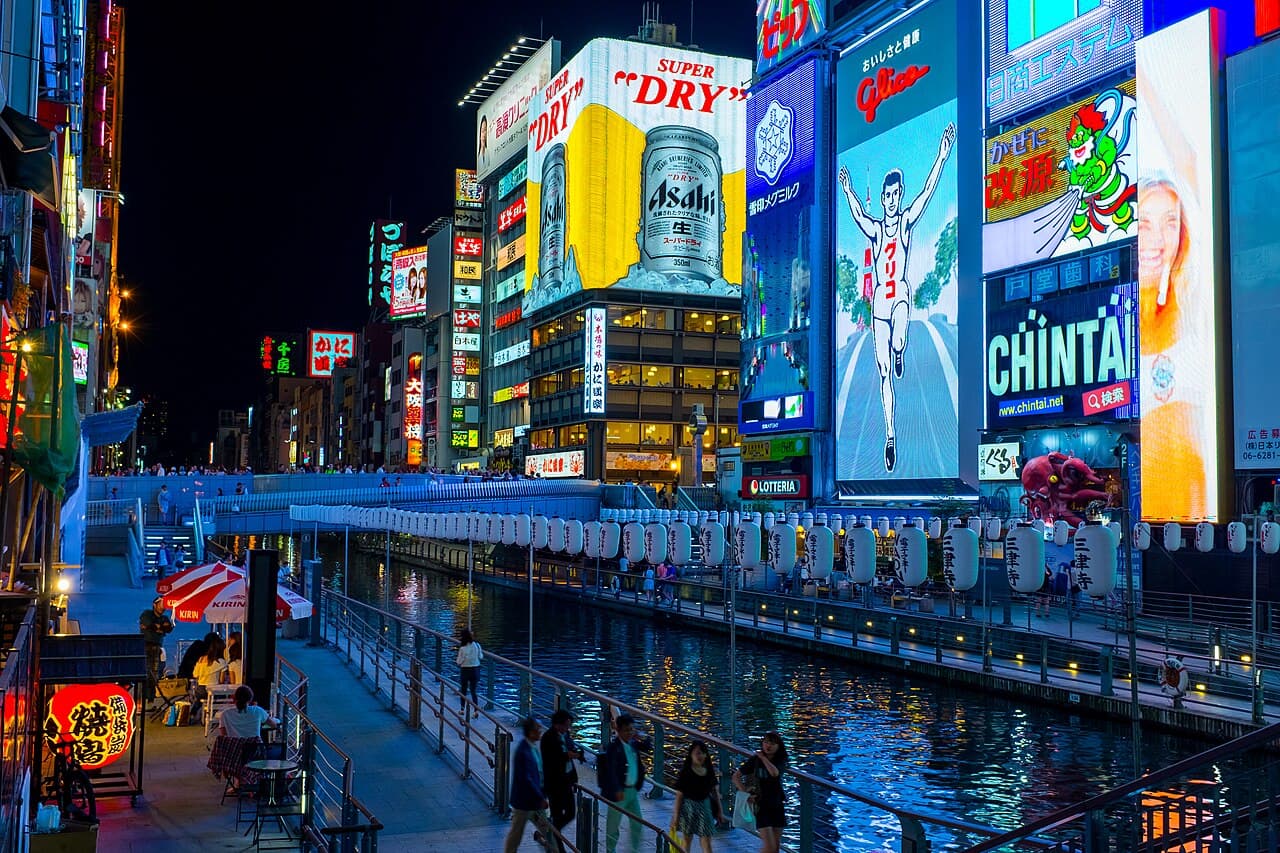
Namba & Dotonbori
The neon heart of Osaka: the Dotonbori canal and its giant signboards, the Shinsaibashi shopping arcade, lantern-lit Hozenji Yokocho and Kuromon Ichiba Market.
Photo: Kristoffer Trolle from Copenhagen, Denmark / Wikimedia Commons · CC BY 2.0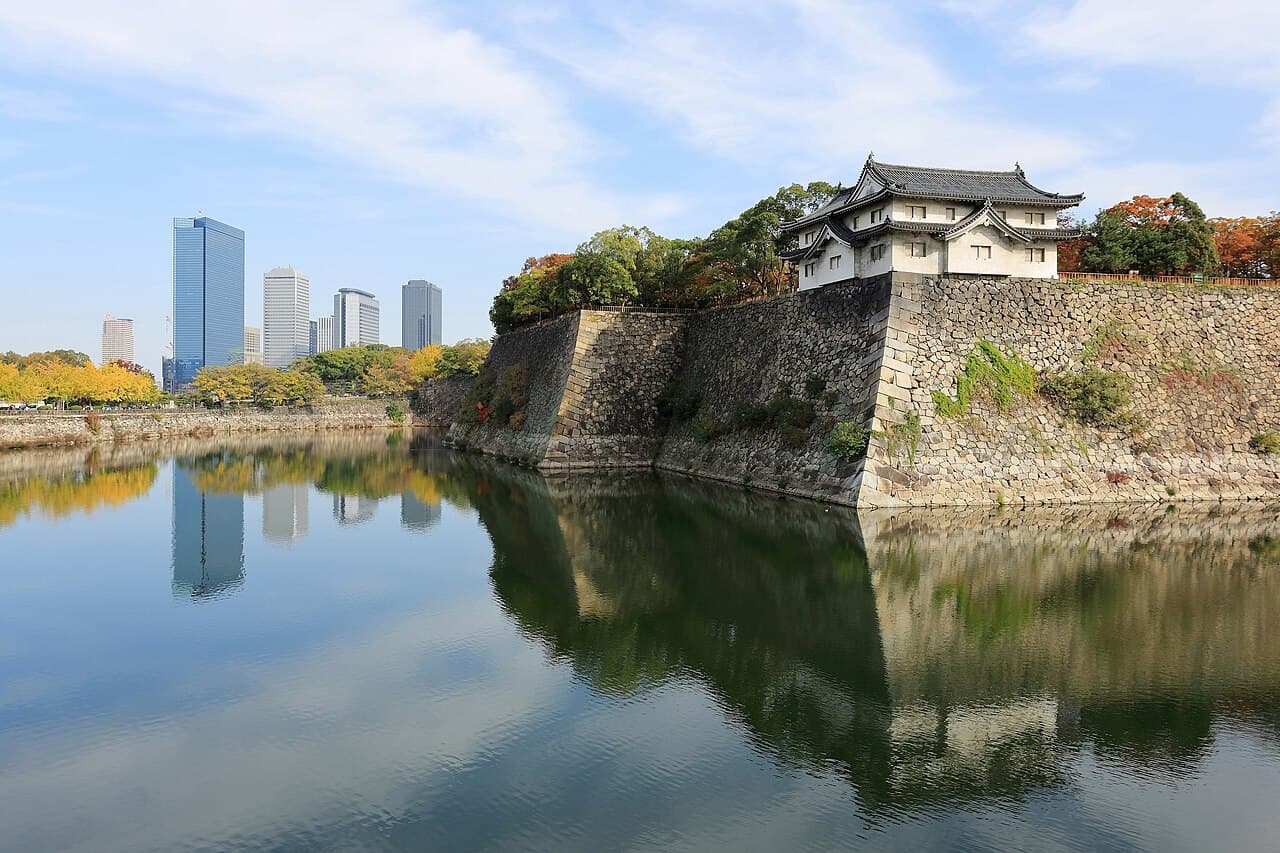
Osaka Castle
The castle district: Osaka Castle's keep and sprawling park, the Osaka Museum of History and the Tenmabashi riverside.
Photo: Martin Falbisoner / Wikimedia Commons · CC BY-SA 4.0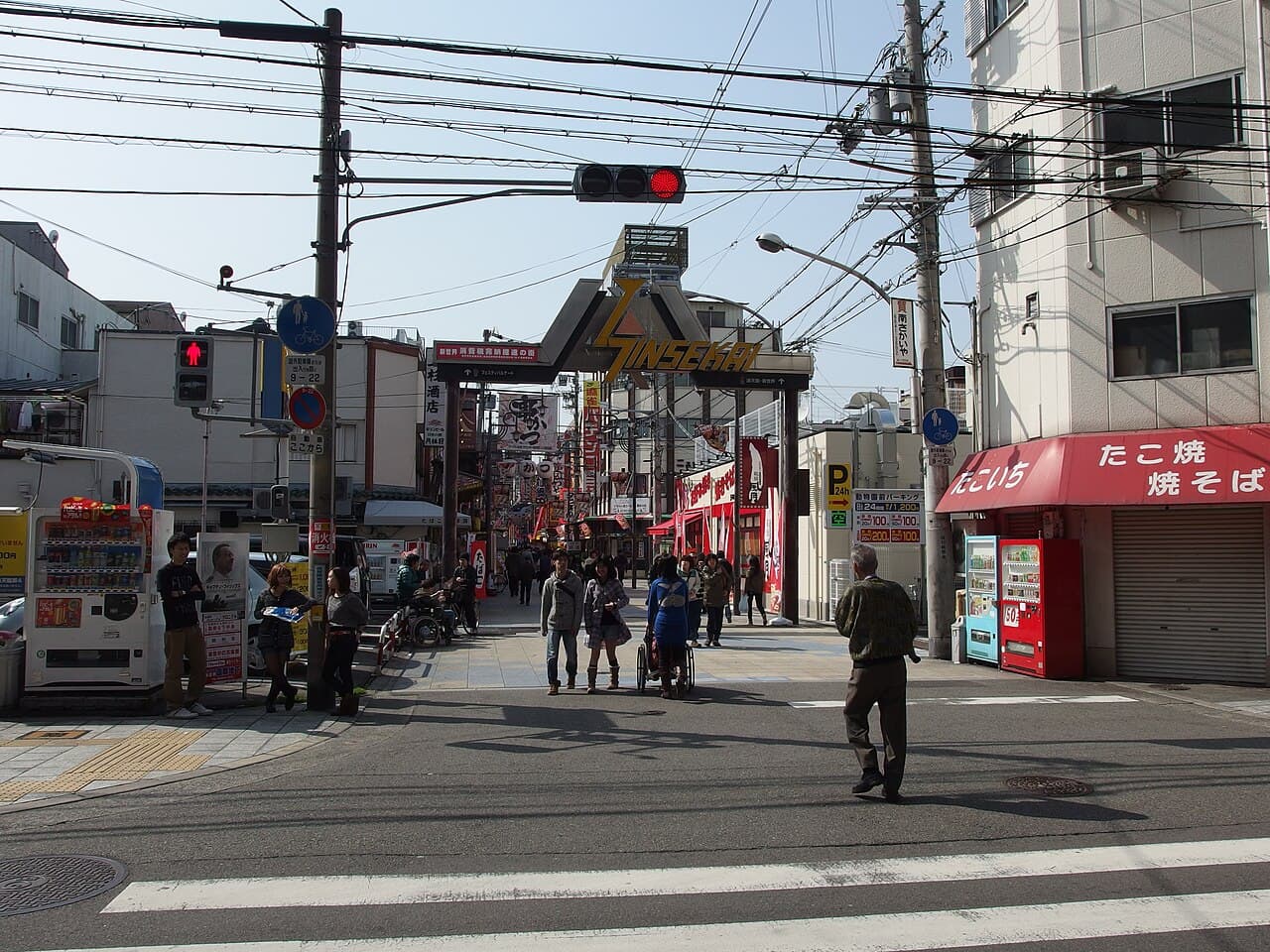
Shinsekai & Tennoji
Old downtown south: retro Shinsekai with Tsutenkaku tower and Janjan Yokocho, Tennoji Park and zoo, and the Abeno Harukas skyscraper.
Photo: Guilhem Vellut from Annecy, France / Wikimedia Commons · CC BY 2.0
A specialty coffee roaster and wine bar, a local favorite for a serious cup in Minami.
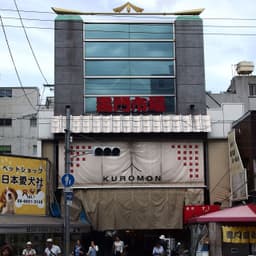
Osaka's kitchen: a covered market street of around 150 shops selling fresh seafood, produce and ready-to-eat street food. Go in the morning, hungry.
A long-running takoyaki and okonomiyaki shop in Hozenji Yokocho — one of Dotonbori's oldest takoyaki counters.
- Graze the market in the morning, then takoyaki at Honke Otako near Hozenji.
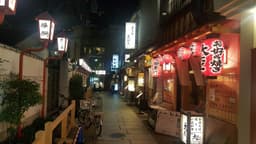
A stone-paved alley of lantern-lit traditional restaurants beside Hozenji Temple — a pocket of old Osaka in Minami. Come in the evening.
- Honke Otako sits right in the alley — one of Dotonbori's oldest takoyaki counters.
The Osaka-born dessert icon famous for its jiggly, half-baked cheese tarts.
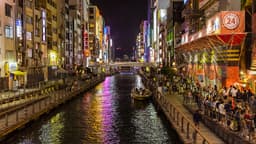
Osaka's famous canal district: giant neon signs, theaters and street-food stalls. Walk the canal after dark when the signboards are lit — this is the city's most iconic nightscape.
- Step off the main strip into the lantern-lit alley — Hozenji Yokocho is a different century, three minutes away.
A big okonomiyaki house in Dotonbori serving Osaka specialties: okonomiyaki, takoyaki and kushikatsu — great for groups and families.
- Dinner averages around ¥3,000, lunch around ¥1,500.
A mid-range business hotel minutes from Dotonbori with breakfast buffet and easy station access.
An Uji matcha parlor near Shinsaibashi for parfaits, kakigori and ceremonial-grade tea — the afternoon sugar break.
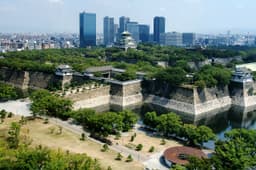
The city's defining landmark: a reconstructed 16th-century castle tower housing a museum of Toyotomi-era history. Arrive early, then walk the park grounds.
- The current tower is a 1931 concrete reconstruction of Hideyoshi's castle — head straight to the top-floor views.
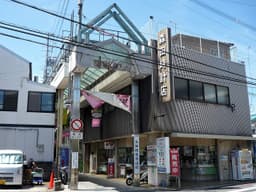
A 2.6km slice of everyday Osaka life: local shops and eateries along Japan's longest covered shopping arcade.
- At 2.6km it's Japan's longest shopping arcade — pace yourself.
Okonomiyaki and teppanyaki at JO-TERRACE, steps from Osakajo-koen station by the castle park.
- Okonomiyaki and teppanyaki at JO-TERRACE, steps from the park after the castle.
Closer: Pompokotei Temmabashi OMM, right on your way
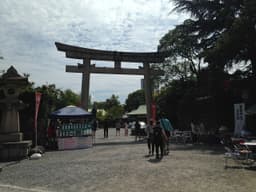
A shrine dedicated to Toyotomi Hideyoshi inside Osaka Castle Park — fold it into the castle stroll.
- The shrine to Hideyoshi sits inside the castle park — fold it into the same stroll.
The iconic kushikatsu branch under the big chef sign: crispy deep-fried skewers with the famous no-double-dip sauce rule.
- Osaka's rule: no double-dipping skewers in the shared sauce.
Stay put: it's ~20 min by taxi to Osaka Castle.
The original 1929 kushikatsu shop, birthplace of the no-double-dip rule — tiny, atmospheric and beloved.
- Founded in 1929 in Shinsekai — this is the original, and the reason for the no-double-dip rule.
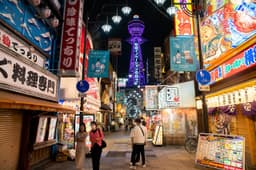
Shinsekai's retro-futuristic tower with observation decks, the Billiken good-luck statue and neon night lighting.
- General observatory is ¥1,200 and stays open until 20:00 — the neon reads best after dark.
- After the tower, walk to the 1929 original — the birthplace of kushikatsu's no-double-dip rule.
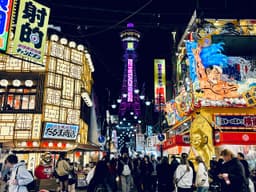
Showa-era streets of giant food signs, kushikatsu shops and retro arcades under Tsutenkaku. This is the kushikatsu crawl ground.
- Ride up the tower first, then descend into the Showa-era streets for the kushikatsu crawl.
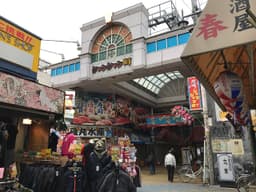
A narrow retro alley under the railway tracks packed with standing bars, cheap izakaya and old-school eateries.
A beloved old-school kushikatsu counter in Shinsekai — skewers around ¥150 draw long queues of locals.
- Cash only, closed Thursdays; open 10:30–20:30 other days.
- Eat where locals queue: skewers from about ¥150 in the retro alley.
Stay put: it's ~10 min by taxi to Tsutenkaku Tower.
Where to stay in Osaka
Ranked for foodie travelers on a comfortable budget. The places this plan sleeps in come first.
Sotetsu Grand Fresa Osaka-Namba
A mid-range business hotel minutes from Dotonbori with breakfast buffet and easy station access.
Hoshino Resorts OMO7 Osaka
A design hotel with onsen, garden and local-neighborhood guides — a stylish gateway to Shinsekai.
Hotel Chuo Oasis
A budget hotel with a public bath in Shin-Imamiya — a local favorite for cheap stays.
Flights to Osaka
Fly into Kansai International Airport (KIX)
Flight results via Travelpayouts — we may earn a commission on bookings.
Getting around Osaka
How to actually move around the city — transit, rideshare, bikes, and taxis.
Public transit
The Osaka Metro (Midosuji, Chuo, and six other lines) plus JR and private railways cover the city. IC cards work on everything.
- Osaka Metro day passes
Unlimited Osaka Metro and city bus rides — the Enjoy Eco Card covers weekdays, the weekend/holiday version is cheaper.
Tip: The Midosuji Line connects Umeda, Shinsaibashi, and Namba — most visitors live on it.
Rideshare
Uber operates in Osaka through licensed taxi companies — the app summons a regular taxi.
- Uber
Uber works in Osaka via licensed taxis — same app as home, metered pricing.
Bikes
Osaka is flat, so bikes are a genuinely fast option for the central districts.
- Osaka Bike Share (Docomo)
Docomo's docked share bikes across the city center — unlock with the app and drop off at any port.
Tip: Check the app for e-bike availability before a long ride along the bay.
Taxis
Licensed taxis are easy to find at stations and in Namba/Umeda. For late nights or rain, the app beats the curb.
- GO taxi app
Hail licensed taxis from your phone with in-app payment.
Tip: Works in Tokyo and Kyoto too, so keep it for the whole trip.
Keep exploring
More itineraries for this trip.
- Photo: blieusong · CC BY-SA 2.05 days
5 Days in Osaka: Eat Your Way Through Japan's Kitchen
Five days in Osaka built around the city's true religion: eating. Day one dives into Dotonbori's neon and street food, day two takes in Osaka Castle and the castle-park food halls, day three goes retro in Shinsekai with kushikatsu and the tower, day four heads to the bay for the aquarium and Universal Studios, and day five winds down in Umeda's depachika food halls. The plan re-plans itself around how you travel: foodie, family or first-timer, fast or slow.
Read the itinerary → 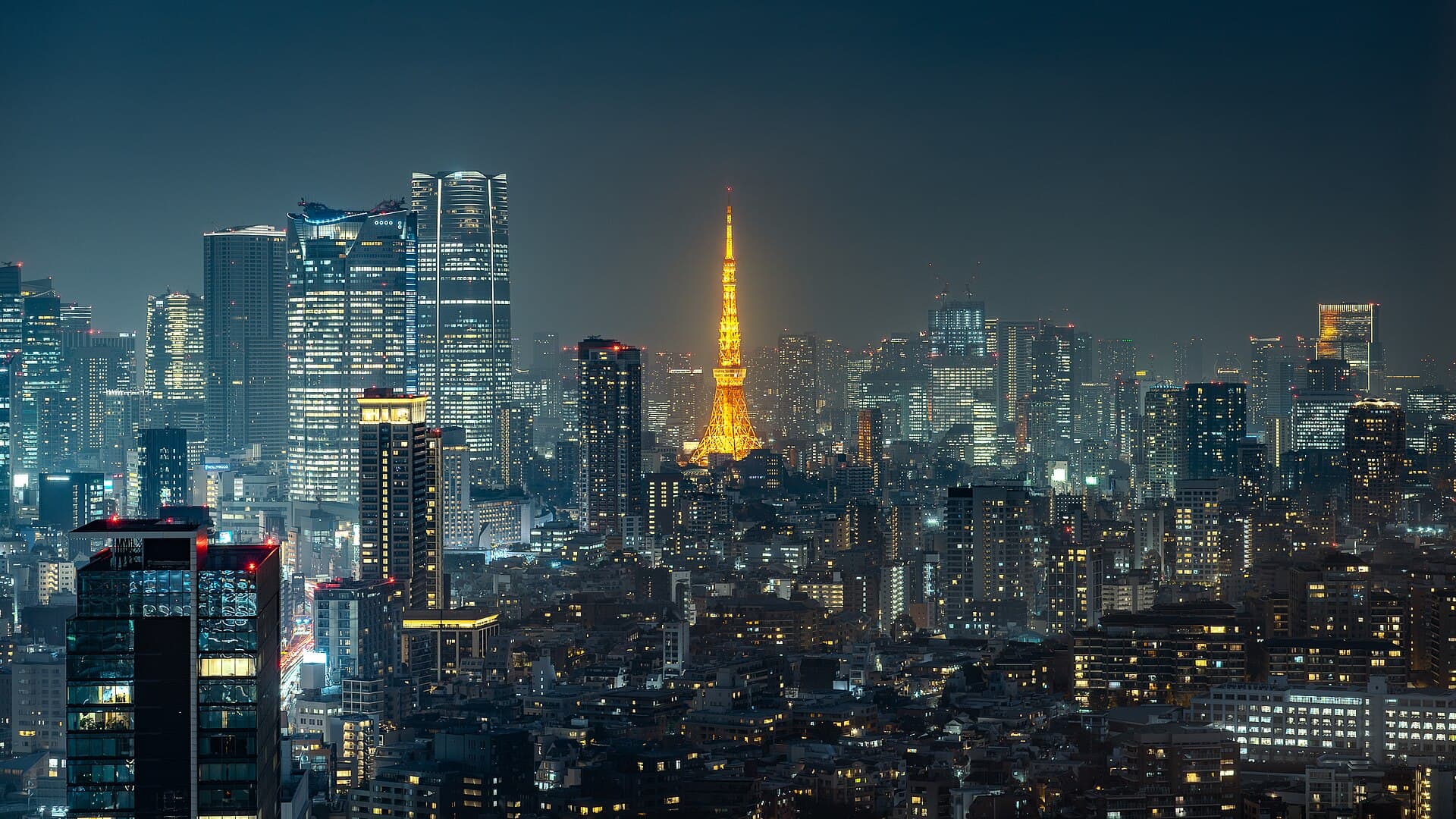 Photo: David Kernan · CC BY 4.09 days
9 Days in Tokyo, Kyoto, Nara & Osaka: The Complete Golden Route
Japan's classic first-timer route, stretched to nine days with Nara in the middle: three days in Tokyo, three in Kyoto, a day trip to Nara, and two in Osaka. Tokyo brings the neon, the temples of Asakusa and the food halls of Ginza; the Shinkansen drops you in Kyoto for Fushimi Inari, Gion and Arashiyama; then it's south to Nara for Todai-ji's Great Buddha and the deer of Nara Park; and finally west to Osaka, Japan's kitchen, for Dotonbori street food, the castle and retro Shinsekai. The plan re-plans itself around how you travel: classic, foodie or family, fast or slow.
Read the itinerary →- Photo: David Kernan · CC BY 4.07 days
7 Days in Tokyo, Kyoto & Osaka: The Golden Route
Japan's classic first-timer week: three days in Tokyo, two in Kyoto, two in Osaka. Tokyo brings the neon, the temples of Asakusa and the food halls of Ginza; the Shinkansen drops you in Kyoto for Fushimi Inari, Gion and Arashiyama; then it's west to Osaka, Japan's kitchen, for Dotonbori street food, the castle and retro Shinsekai. The plan re-plans itself around how you travel: classic, foodie or family, fast or slow.
Read the itinerary → 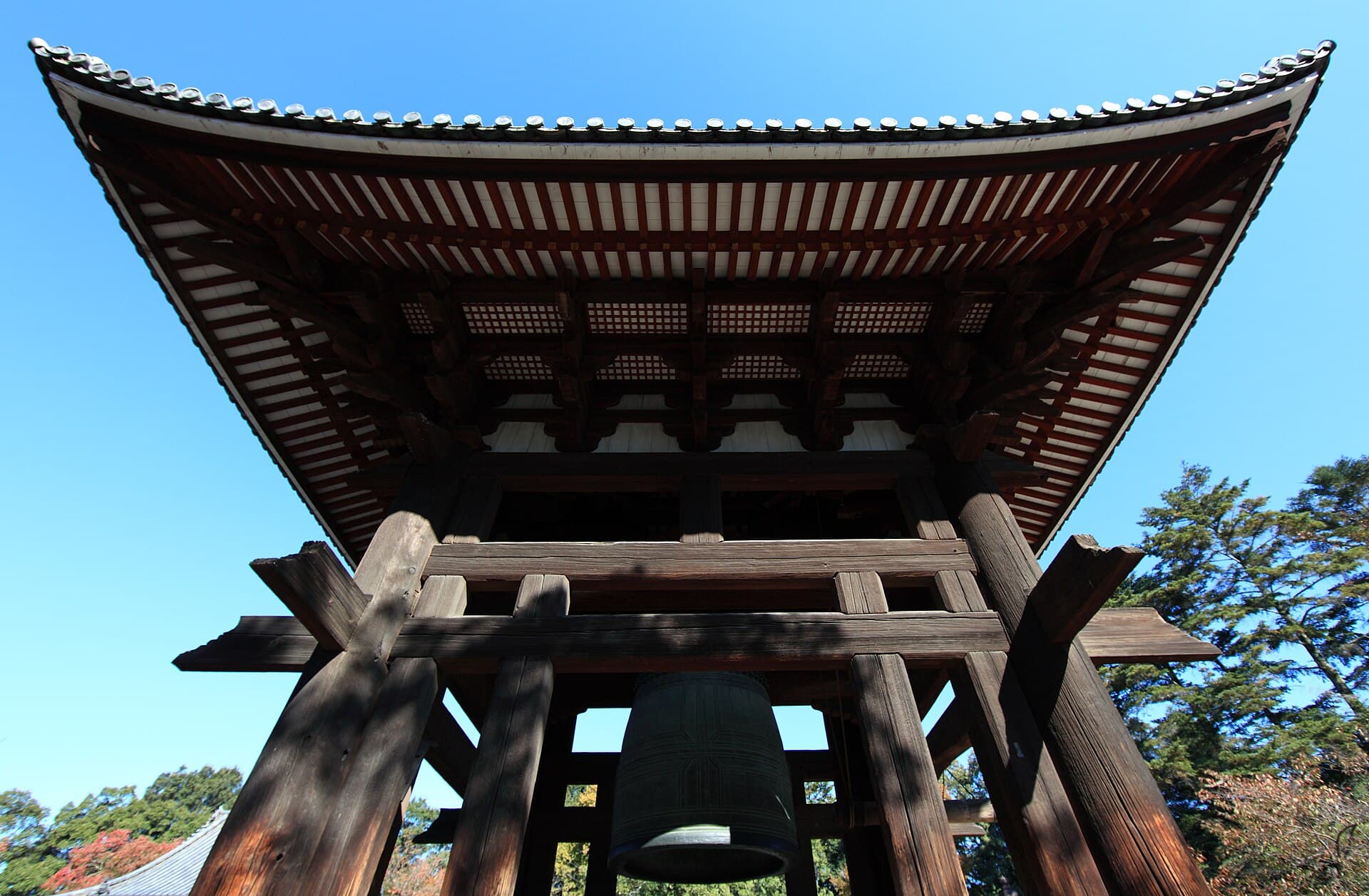 Photo: TANAKA Juuyoh (田中十洋) · CC BY 2.01 day
1 Day in Nara: The Great Buddha, Sacred Deer & Ancient Temples
One perfect day in Nara: start with Todai-ji's Great Buddha and the sacred deer of Nara Park, walk to Kasuga Taisha's lantern-lit shrine, then explore Naramachi's old-town lanes. Includes the best lunch spots and how to get there from Kyoto or Osaka.
Read the itinerary →