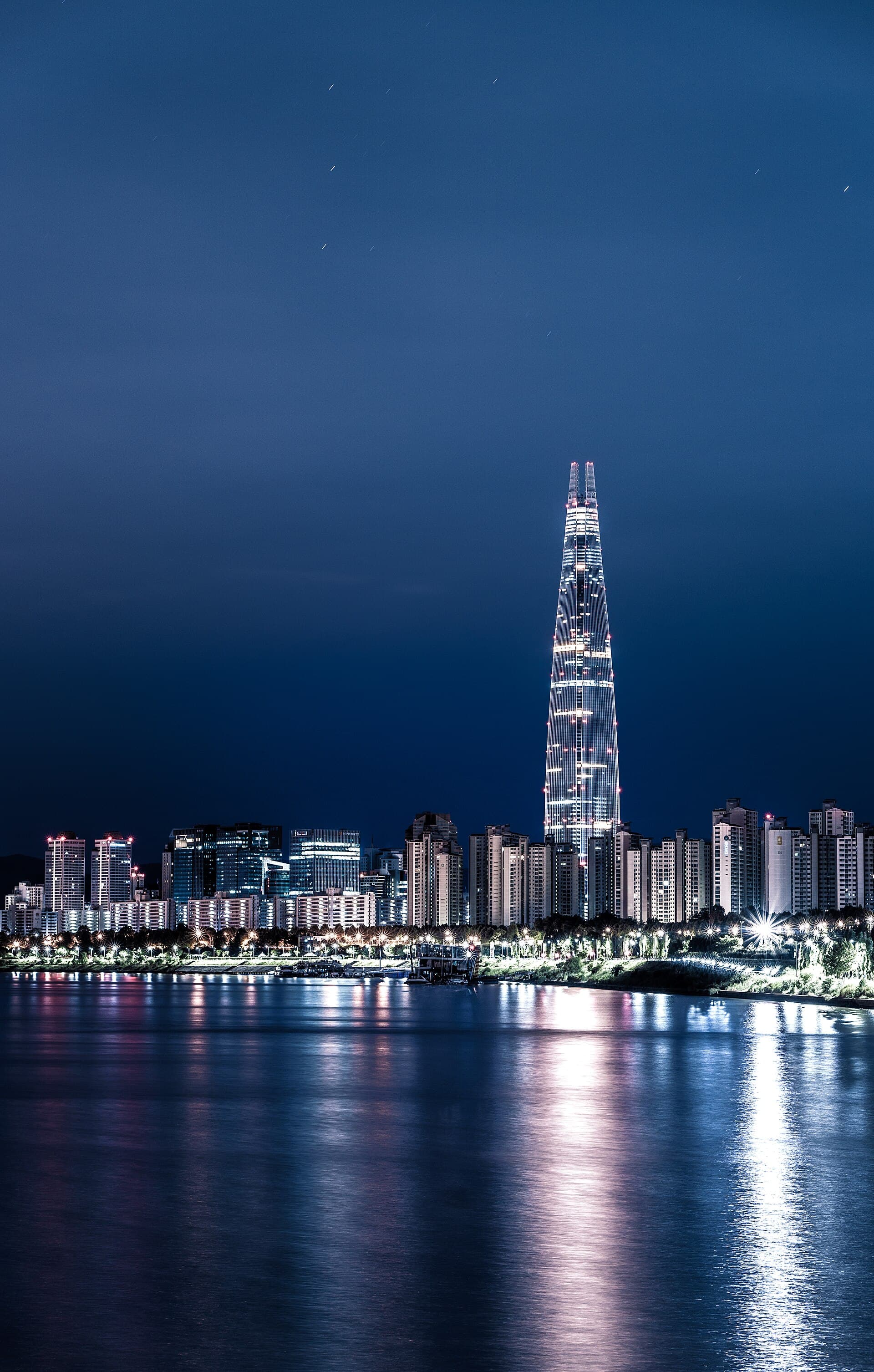
 Photo: mauveine.kim · CC0
5 Days in Seoul: Palaces, Street Food & the Hongdae Buzz
Five days through Seoul's must-sees: the Gyeongbokgung and Changdeokgung palaces, Bukchon and Insadong, Myeongdong's night food stalls, Gwangjang Market, Hongdae's art streets and the Gangnam and Jamsil towers. Pair each day with temple mornings, hanok cafes and long market lunches. The plan re-plans itself around how you travel: your pace, budget and interests reshape every day.
Pick a style, a budget and a pace — the route and days below re-plan themselves.
14 stops · 10 meals · 5 hotelsThis is the editor’s pick.
5 days
Each day takes one part of Seoul, kept close so you walk more than you ride. The map shows the whole route — pick a day to zoom in.
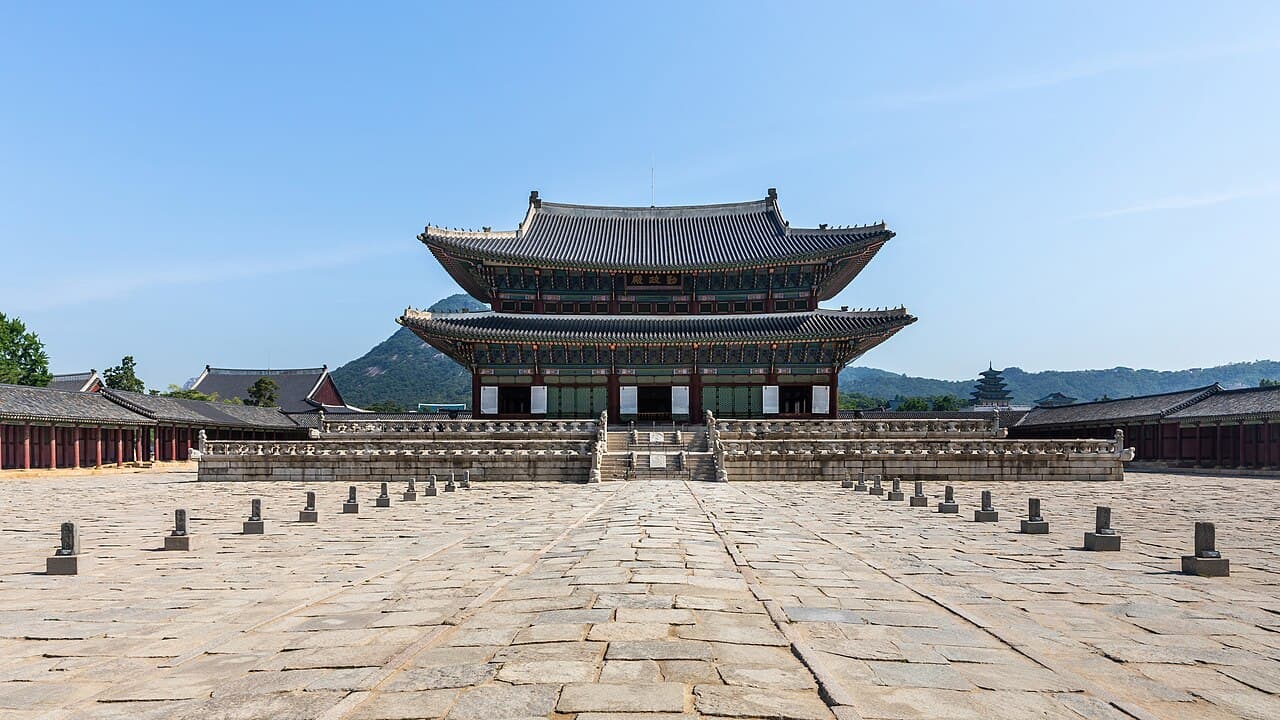
The grand palace of Joseon, and Seoul's single unmissable sight. Go in the morning: catch the guard-changing at Gwanghwamun Gate, then wander throne halls, pavilions and the National Folk Museum grounds.
- Guard-changing runs 10:00 and 14:00 daily except Tuesdays; admission is 3,000 won, free in hanbok.
Worth the trip
Famous samgyetang (ginseng chicken soup) near Gyeongbokgung: whole young chicken stuffed with glutinous rice and ginseng, served in maze-like hanok dining rooms. The classic palace-day lunch.
- Open daily 10:00 to 22:00 (last order 21:00); queues form at lunch, so go early.
- Tosokchon sits near Gyeongbokgung: the classic palace-day lunch is ginseng chicken soup in the hanok dining rooms.
Closer: Onjium, 10 min out of your way
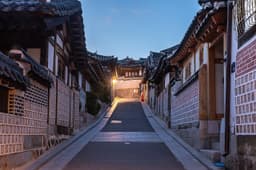
A 600-year-old quarter of hanok houses in the hills between the two big palaces. Follow the signed viewpoints up through Gahoe-dong's alleys, workshops and tea houses.
- Keep it quiet: the red zone near Bukchon-ro 11-gil keeps quiet hours 10:00-17:00.
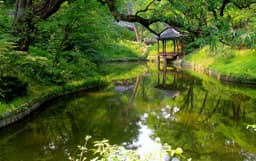
The UNESCO palace built to sit in the landscape, not over it. The rear Huwon Secret Garden is the draw: ponds and pavilions under old trees. It runs separate capped tours, so book ahead.
- Secret Garden tours cap at about 100 visitors and book out; reserve up to 6 days ahead.
- Bukchon lies between the two big palaces: do Changdeokgung in the morning, then walk the eight signed viewpoints.

Seoul's oldest restaurant, opened 1904, serving milky seolleongtang (ox-bone soup) simmered 16-plus hours. Diners season it themselves at the table.
- Opened in 1904, it's Seoul's oldest recorded restaurant: the 16-hour broth is the point.
Smart 4-star in the heart of Insadong with 301 modern rooms and a rooftop breakfast lounge. Walk to Jogyesa, Ssamziegil and the palaces: the best first-timer base north of the river.
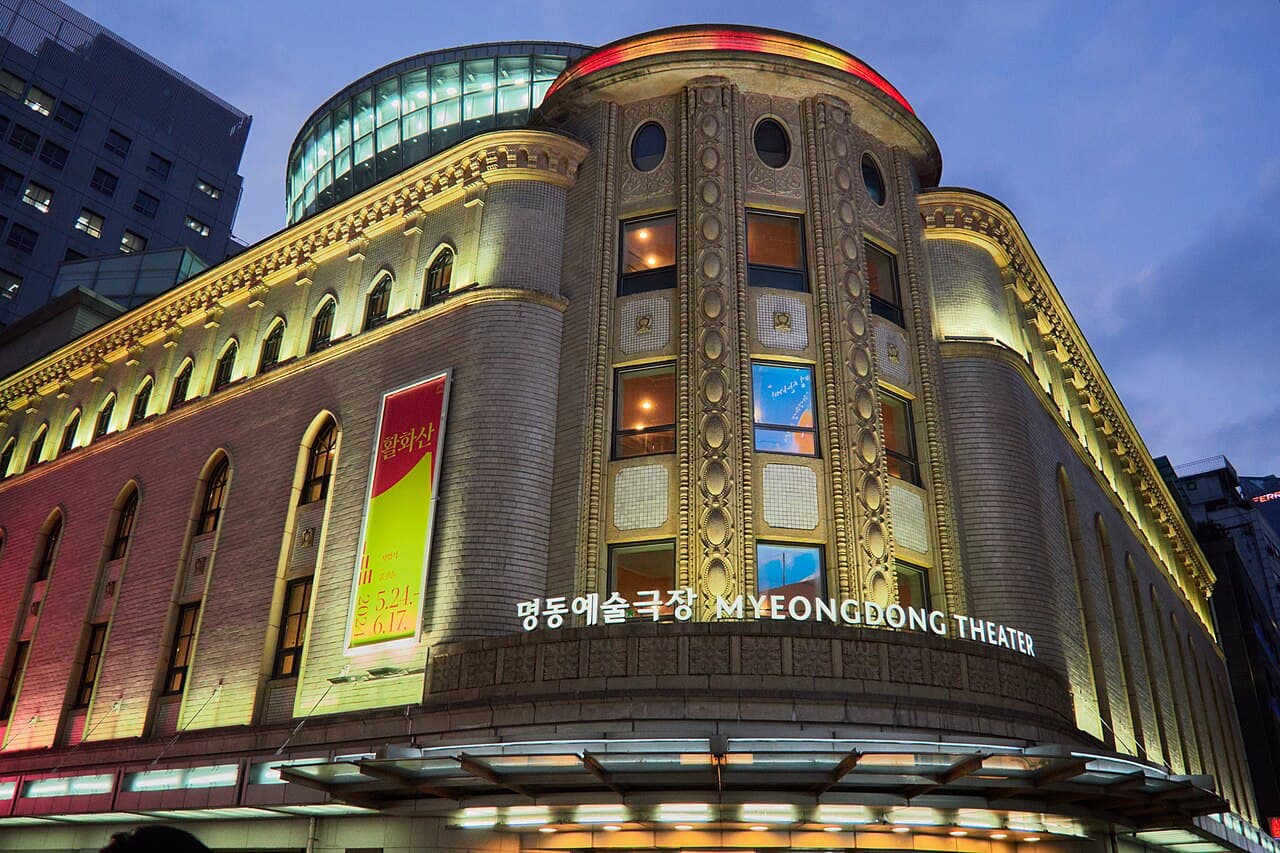
Worth the trip
Pyongyang naengmyeon institution near Gwangjang: clean chilled broth with buckwheat noodles, plus charcoal-grilled bulgogi. The connoisseur's cold-noodle pick.
- Closed on Mondays, so plan it for another day if you're at Gwangjang then.
Closer: Balwoo Gongyang, right on your way
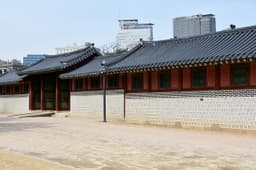
The palace by City Hall, famous for its stone-wall road. Traditional halls stand next to Western-style stone buildings from 1900-1910, and the guard ceremony runs three times a day.
- The guard ceremony at Daehanmun Gate runs 11:00, 14:00 and 15:30, except Mondays.
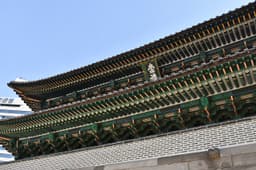
Korea's National Treasure No. 1: the great southern gate of old Seoul, a 14th-century stone-and-timber gateway rebuilt after the 2008 fire.
- First built 1398 and restored after the 2008 arson; it's a quick photo stop, not a half-day.

Seoul's classic viewpoint on top of Namsan. Ride the cable car or hike the park trails up, then look out over the whole city. Best after dark.
- Go after dark for the city lights; the cable car or the hiking trails through Namsan Park get you up.
Institutional kalguksu (hand-cut noodle soup) and mandu house in Myeongdong. Fast, cheap, and always crowded at lunch: exactly what you want between shopping strips.
- The main branch is at 10 Myeongdong 10-gil; open about 10:30 to 21:00.
Switch bases tonight. Lotte's design-led 4-star, one minute from Myeongdong Street: 250 rooms over 21 floors, a Korean buffet breakfast, gym and bar. Well-placed for the shopping-and-food days.
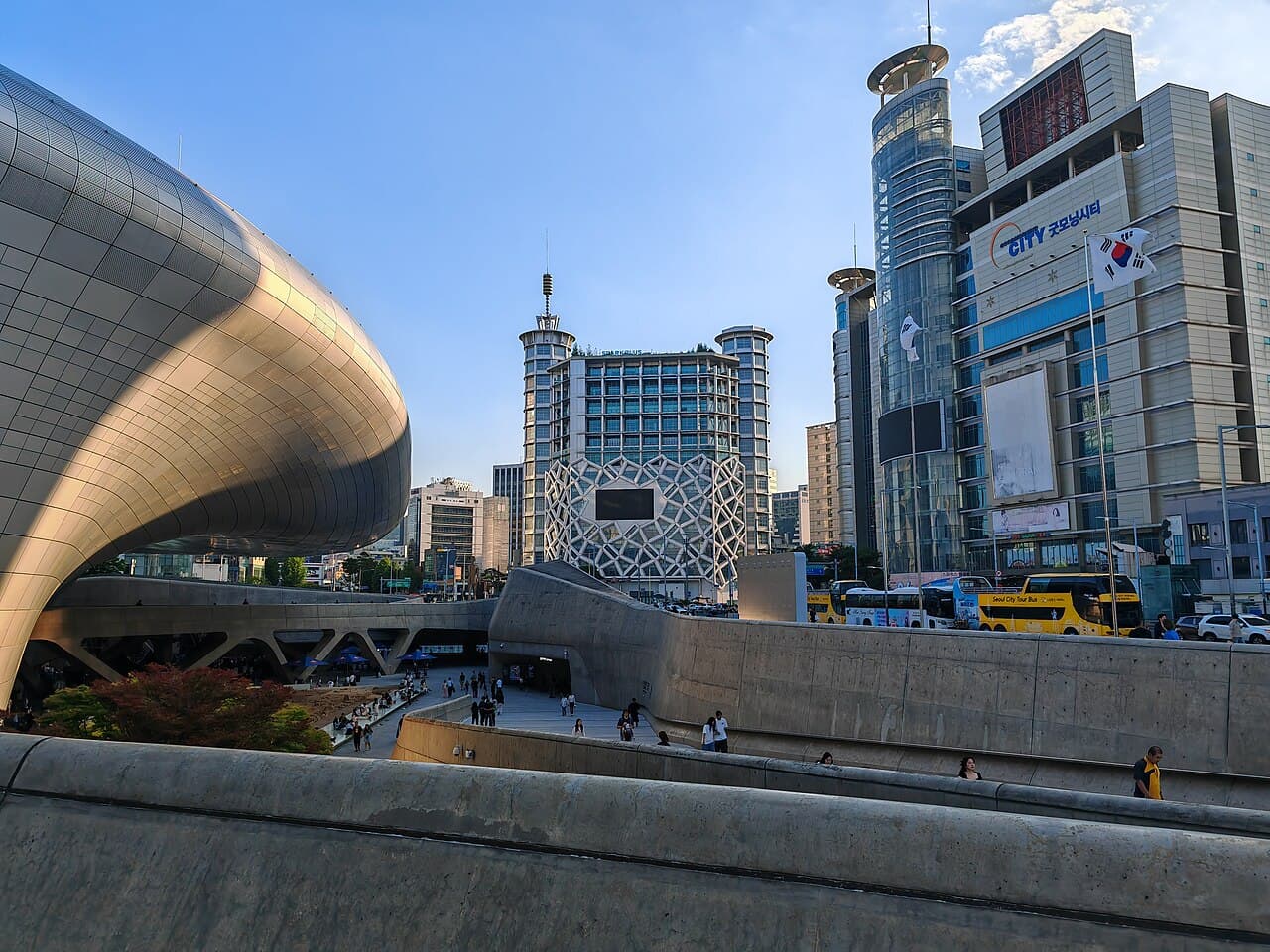
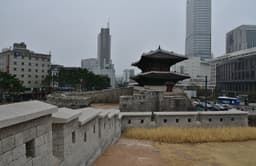
One of the Eight Gates of old Seoul's wall, about 600 years old. A short walk from DDP, and the photo you want is the old gate framed against the futuristic plaza.
- It's a 5-minute walk from DDP; pair the two for old-meets-new photos.
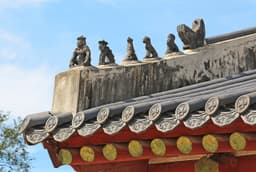
The Joseon dynasty's royal ancestral shrine and a UNESCO site. Solemn wooden halls hold the spirit tablets of kings and queens; admission is 1,000 won.
- Last admission is one hour before closing; use Jongno 3-ga Station.
Dakhanmari (whole-chicken soup) specialist near Dongdaemun. The chicken simmers in a clear broth with rice cakes and potatoes, and it stays open late.
- Open 10:30 to 01:00, so it works for a late dinner after DDP.
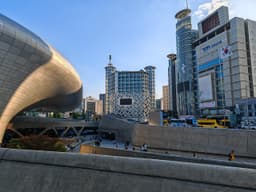
Zaha Hadid's curving aluminum landmark, opened in 2014. Exhibition halls, a design museum and market plus the History & Culture Park. Entry to the complex is free.
- Entry is free; only the exhibitions and programs charge separately.
- The 600-year-old gate is a short walk from DDP: pair the old gate with the futuristic plaza.
Handmade mandu chain branch near Dongdaemun: steamed, fried and soup dumplings made fresh daily. A quick, cheap lunch between DDP and the gate.
- Open 11:00 to 21:45; good for an early dinner too.
Switch bases tonight. Compact 46-room 3-star near Gwangjang Market and DDP: fridges and bidets in every room, terrace and garden, no restaurant. Great reviews for the price.
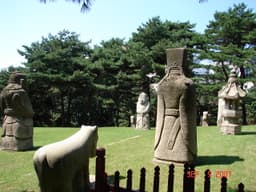
UNESCO-listed Joseon royal tombs in the middle of Gangnam: grassy burial mounds and wooded paths, a calm green pocket among the towers.
- Admission is 1,000 won; Seolleung Station (Line 2) Exit 10 is a few minutes on foot.
Worth the trip
Ganjang gejang (soy-marinated raw crab) house. Sweet crab meat scooped from the shell over rice: a rich, briny meal. A Michelin Bib Gourmand.
- It's a Michelin Guide Bib Gourmand, so expect a wait at peak hours.
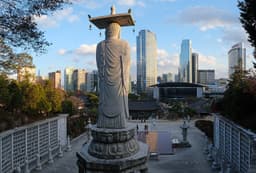
A 1,200-year-old temple across from COEX, dwarfed by Gangnam's towers. Visit for the 23m Maitreya Buddha and morning chanting; overnight temple stays let you follow a monk's routine.
- Admission is free, and temple-stay programs let you sleep over and follow a monk's routine.
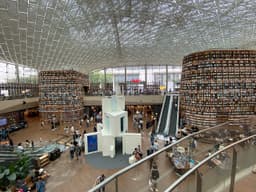
A two-story open library inside COEX Mall with floor-to-ceiling bookshelves. A popular photo stop and a calm break from Gangnam shopping.
- One of Gangnam's most photographed indoor stops: go early to beat the tripods.
- The 1,200-year-old temple faces COEX: duck into the two-story Starfield Library for a calm break from Gangnam.
Pyeongyang-style cold buckwheat noodles in Gangnam: clean chilled broth and chewy noodles, with pyeonyuk and bulgogi on the side.
- Open 11:00 to 21:30 with last order at 21:10.
Switch bases tonight. Lotte's 333-room upscale hotel on Teheran-ro, 2 minutes from Seolleung Station and 11 minutes on foot to COEX. All-day restaurant, gym and bar: business-district value.
Bossam and noodle chain branch inside Lotte World Mall by Seokchon Lake: tender pork bossam wraps and hearty noodle soups at gentle prices. An easy Korean lunch between sights.
- The chain specializes in bossam (boiled pork wraps) and noodle soups: cheap and fast.
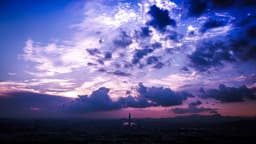
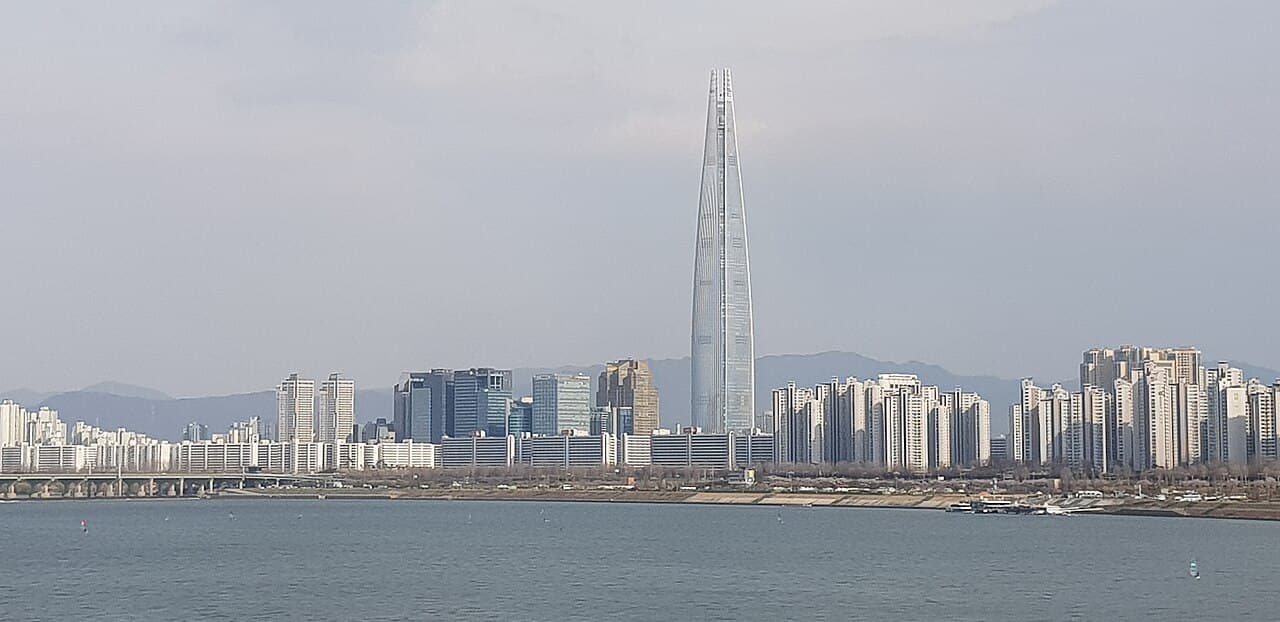
Korea's tallest building at 555 meters. The Seoul Sky observatory spans floors 117-123 with glass floors and city panoramas, best over the Han River at night.
- Adult admission is 33,000 won; Jamsil Station (Lines 2, 8) connects underground.
Upscale Korean bakery cafe; the Jamsil branch sits on the fifth floor of the Lotte Avenuel with Seokchon Lake views. Grab pastries before the lake loop.
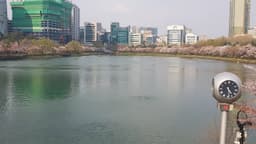
Twin lakes ringed by walking paths under Lotte World Tower. The cherry-blossom loop each April is one of Seoul's best spring walks.
- The Cherry Blossom Festival runs early April (April 3-11 in 2026); Jamsil Station exits 1, 2, 3, 10.
- Walk the twin-lake loop before or after the Seoul Sky observatory; the cherry-blossom loop peaks in early April.
Bang-i Food Alley favorite for grilled gopchang (beef intestines) sizzled with garlic chives and vegetables. The pan-fried rice finale is mandatory. Expect a wait at dinner.
- Finish with the fried rice in the same pan; expect a line at dinnertime.
Switch bases tonight. Five-star on the edge of Seokchon Lake, blending Parisian style with Korean warmth: lake or skyline views, a 16th-floor spa and pool, and five dining venues. The Jamsil-day base.
- 403 rooms and suites; the spa and 25m pool sit on the 16th floor.
Where to stay in Seoul
Ranked for first-timer travelers on a comfortable budget. The places this plan sleeps in come first.
Nine Tree by Parnas Insadong
Smart 4-star in the heart of Insadong with 301 modern rooms and a rooftop breakfast lounge. Walk to Jogyesa, Ssamziegil and the palaces: the best first-timer base north of the river.
L7 Myeongdong
Lotte's design-led 4-star, one minute from Myeongdong Street: 250 rooms over 21 floors, a Korean buffet breakfast, gym and bar. Well-placed for the shopping-and-food days.
Acube Hotel Dongdaemun
Compact 46-room 3-star near Gwangjang Market and DDP: fridges and bidets in every room, terrace and garden, no restaurant. Great reviews for the price.
L7 Gangnam
Lotte's 333-room upscale hotel on Teheran-ro, 2 minutes from Seolleung Station and 11 minutes on foot to COEX. All-day restaurant, gym and bar: business-district value.
Sofitel Ambassador Seoul
Five-star on the edge of Seokchon Lake, blending Parisian style with Korean warmth: lake or skyline views, a 16th-floor spa and pool, and five dining venues. The Jamsil-day base.
Flights to Seoul
Fly into ICN (ICN)
Flight results via Travelpayouts — we may earn a commission on bookings.
Getting around Seoul
How to actually move around the city — transit, rideshare, bikes, and taxis.
Public transit
Seoul's subway is the fastest way to move around the city: nine numbered lines plus the AREX airport line, all with English signage and announcements. Buy a T-money card at any convenience store and tap in everywhere.
- Seoul Metro
Nine color-coded subway lines (1 to 9) plus the AREX airport express connect every major neighborhood, running roughly 5:30am to midnight. The base fare is about 1,400 to 1,550 KRW with a T-money card and distance-based beyond 10 km; transfers between lines are free.
Tip: Download KakaoMetro or Subway Korea for English route planning and real-time arrivals.
- T-money card
Rechargeable contactless card for the subway, buses, and most taxis across South Korea, also usable at convenience stores. Buy the card for a few thousand won at any convenience store or station vending machine and top up with cash.
Tip: Tap in and out to get transfer discounts between subway and bus.
Rideshare
Kakao T is the dominant ride-hailing app in Korea and the default way to book a car with an English interface.
- Kakao T
Korea's dominant ride-hailing app with English support: book private cars or metered taxis, see the fare estimate upfront, and pay with a linked international card or in-app payment.
Tip: Register and verify your account before you need a ride late at night.
Bikes
Seoul Bike (Ddareungi) is the city's public bike-share system, handy for riverside paths and short hops between subway stations.
- Seoul Bike (Ddareungi)
Public bike-share with stations across the city, including along the Han River parks and near major subway stations. Rent by the hour or buy a day pass in the app.
Tip: The Han River cycling paths are the best place to ride; these are heavy city cruisers, not road bikes.
Taxis
Metered taxis are plentiful and cheap by global standards; hail one on the street or through Kakao T. Fares start around 4,800 KRW.
- Street and app-hailed taxis
Regular metered taxis run 24 hours and are easy to hail on main streets; Kakao T lets you request one with an English interface and upfront estimates. Late-night surcharges apply roughly midnight to 4am.
Tip: Have your destination written in Korean (Naver Map or KakaoMap shows it) in case the driver does not speak English.