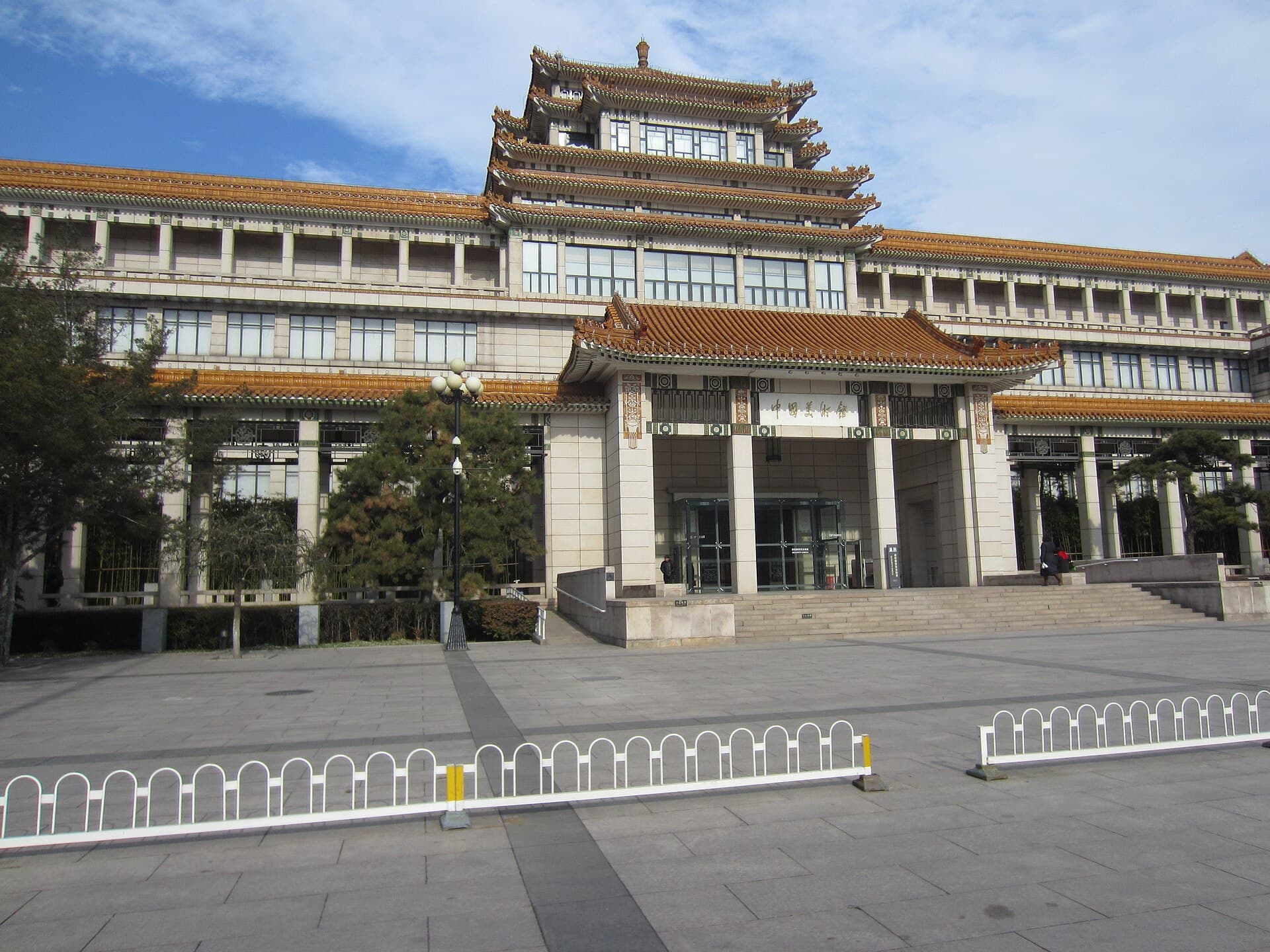
 Photo: Another Believer · CC BY-SA 4.0
7 Days in Beijing and Shanghai: The Classic First-Timer Trip
The classic first-timer China week: three days in imperial Beijing for the Forbidden City, the Temple of Heaven and the hutongs, then four days in modern Shanghai for the Bund, Yu Garden and the Pudong skyline. Answer a few questions and the plan re-plans itself around how you travel: your pace, your budget, your stops.
Pick a style, a budget and a pace — the route and days below re-plan themselves.
20 stops · 14 meals · 2 hotels · 1 transferThis is the editor’s pick.
7 days, 2 cities
From Beijing to Shanghai, with 1 move between cities. The map shows the whole route — pick a day to zoom in.
Beijing
Dongcheng & the Imperial Core · Qianmen & the Temple of Heaven · Hutongs & Houhai
- Day 1Dongcheng & the Imperial Core: The Forbidden City & Tiananmen Square
- Day 2Qianmen & the Temple of Heaven: The Temple of Heaven & Zhengyangmen Gate Tower
- Day 3Hutongs & Houhai: The Bell and Drum Towers & the Houhai Lakes
- Train to Shanghai · 7h
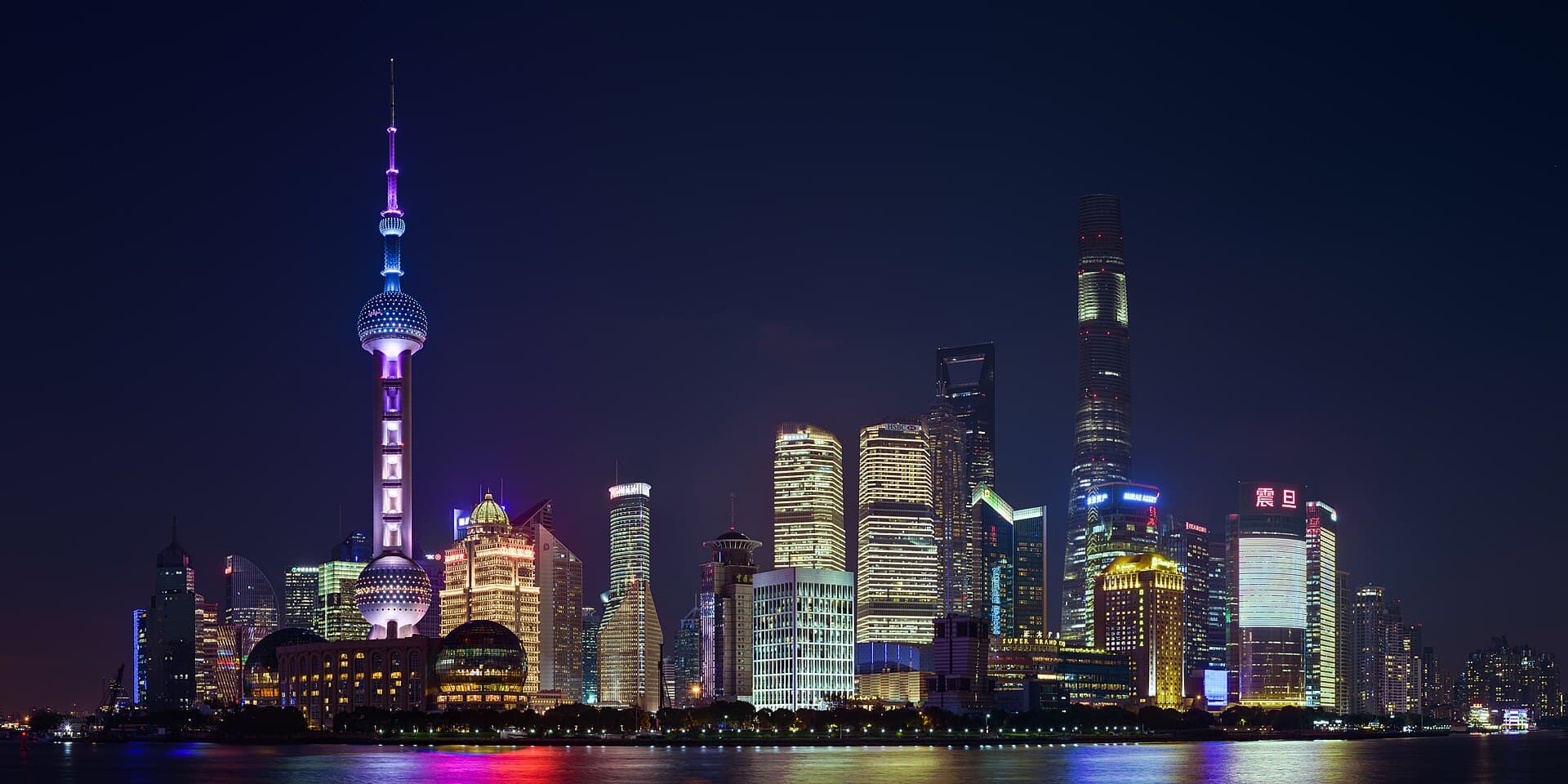
Shanghai
The Bund · Old City · French Concession · Pudong
- Day 4The Bund: The Bund & Waibaidu Bridge
- Day 5Old City: Yu Garden & Dajing Ge Pavilion
- Day 6French Concession: Sinan Mansions & Zhou Enlai's Former Residence
- Day 7Pudong: The Shanghai Tower observation deck & the SWFC Observatory
Traditional Chinese restaurant on the Houhai South Bank with a lake-view terrace and private dining rooms, a short walk from Shichahai's sights.
Climb to Wanchun Pavilion for the classic postcard view: golden Forbidden City roofs stretching below. Go in the late afternoon when the light is best, right after you exit the palace's north gate.
- Entry is 2 CNY, and late afternoon gives the best light on the palace roofs.
The world's biggest palace complex, and the heart of any Beijing trip. Go first thing in the morning, enter through Tiananmen, and give it three hours. The painted halls just keep coming.
- Closed Mondays. Tickets are 60 CNY Apr-Oct and 40 CNY Nov-Mar; book online ahead for the 80,000 daily cap.
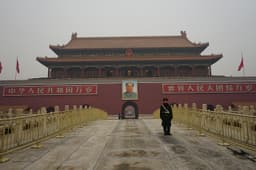
Beijing's symbolic center and one of the world's largest public squares. Time your visit for the sunrise flag-raising, then walk north straight into the Forbidden City. Bring your passport; reservations are required.
- The flag-raising happens daily at sunrise; arrive 30-45 minutes early for a viewing spot.
Cult hutong dumpling house by the Drum Tower: 50+ boiled and fried dumpling varieties, English picture menus, courtyard vibe. Open daily 10:30am-11:30pm.
A 300-year-old courtyard home turned heritage hotel: traditional furniture, underfloor heating, hidden on a quiet Nanluoguxiang back alley. 9.1/10 from 149 ratings; bike rental on site.
- 300-year-old courtyard; 9.1/10 from 149 verified ratings.
The Ming gate tower at the south end of Tiananmen Square, guarding the old road to the Forbidden City. A quick photo stop on the walk from the square down to Qianmen Street.
Beijing's 130-year-old pastry brand: traditional Beijing-style cakes, pastries and mooncakes. A classic Qianmen souvenir stop; founded 1895.
- Founded in 1895; famous for Beijing-style pastries and the 'Eight Treasures of Beijing'.
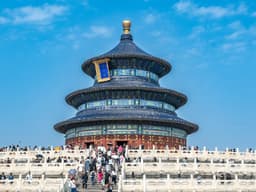
The Ming sacrificial complex with the triple-gabled Hall of Prayer for Good Harvests: as iconic as the Forbidden City and half as crowded. Come early to watch locals do tai chi and play cards in the park.
- The combined ticket is 34 CNY in peak season and 28 CNY off-season; monuments open at 8:00.
- Daoxiangcun's Qianmen shop is eight minutes from the Temple of Heaven: pastries after the park.
Nearly 300 years old: the laozihao institution for shaomai, northern China's open steamed dumplings. Baskets of 8 are the signature order. Open 09:30-21:00.
- Founded in 1738; baskets of 8 shaomai are the signature order.
A restored 570-year-old pedestrian street south of Tiananmen, lined with time-honored Chinese brands. Ride the vintage dangdang tram the full length, then branch west into Dashilan.
- Vintage dangdang trams run the length of the street.
- Du Yi Chu is a minute off Qianmen Street: 300-year-old shaomai between the shopping streets.
The hutong institution: a rustic courtyard house roasting ducks over fruit wood, the anti-Quanjude local favorite. About CNY 120 per person; arrive at 11am to beat the queues.
- Fruit-wood roasted duck in a converted old house; reservations essential.
Stay put: ~26 min by taxi back from Qianmen Street tonight, 8 min walk to the Bell and Drum Towers in the morning.
Global-fusion restaurant by the TRB group inside Vue Hotel Houhai, steps from the lake. The weekday lunch deal (appetizer, main, dessert, drink) runs Tue-Fri 11:30am-2:30pm for RMB 158.
- Weekday lunch deal: appetizer, main, dessert, drink for RMB 158, Tue-Fri 11:30am-2:30pm.
Three lakes ringed by hutongs and willow paths, liveliest in the evening when the bars and restaurants light up. Walk it, or take a rickshaw if your feet are done.
- The lakeside is liveliest in the evening; best experienced on foot or by rickshaw.
- Fork by TRB is steps from the lake: the weekday lunch deal lands right on a Houhai stroll.
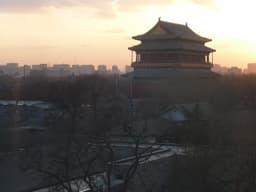
Two Ming-era timekeeping towers over the hutongs. Climb the Drum Tower for rooftop views across the old city, and catch a drum performance while you're up there.
- Drum performances run at the Drum Tower; both towers can be climbed for old-city views.
- Climb the towers in the afternoon, then walk down to the lakes as the evening bars light up.
The tea house inside the Bell Tower complex: rest your legs after the climb with a full tea ceremony and tasting. About 6 different teas; excellent and informative.
- The Bell Tower Tea House sits inside the complex: a tea ceremony right after the climb.
Beijing's best-known hutong lane: 800 meters of cafes, boutiques and snack stalls in old courtyard houses. Give it 1-2 hours; weekday mornings are calmest.
- Plan 1-2 hours; weekday mornings are calmest before the evening and weekend crowds.
The cozy Jiaodaokou branch of Beijing's beloved hole-in-the-wall Sichuan: chaotic, always packed, and some of the city's cheapest authentic Sichuan food. A party of 4 ate 5 dishes plus drinks for 96 yuan. Menu in Chinese only.
- Open daily 10:30am-11pm; nearest subway Beixinqiao (Line 5).
Closer: Dali Courtyard, 10 min out of your way
Stay put: 10 min walk back from Nanluoguxiang tonight, 8 min walk to the Houhai Lakes in the morning.
Beijing to Shanghai
1073 km, rated for speed and cost. For a first-timer trip on a comfortable budget at a balanced pace, take the High-speed G train (China Railway). It's not the quickest or the cheapest, but it's the best match for a first-timer trip.
Nearly 150 years old and still the benchmark for classic Benbang Shanghainese cooking: sweet, rich, soy-braised dishes in a grand old hall on Fuyou Road, within walking distance of Yu Garden.
Closer: Mr & Mrs Bund, 10 min out of your way
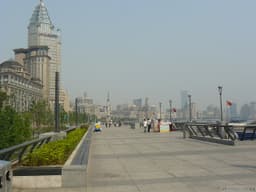
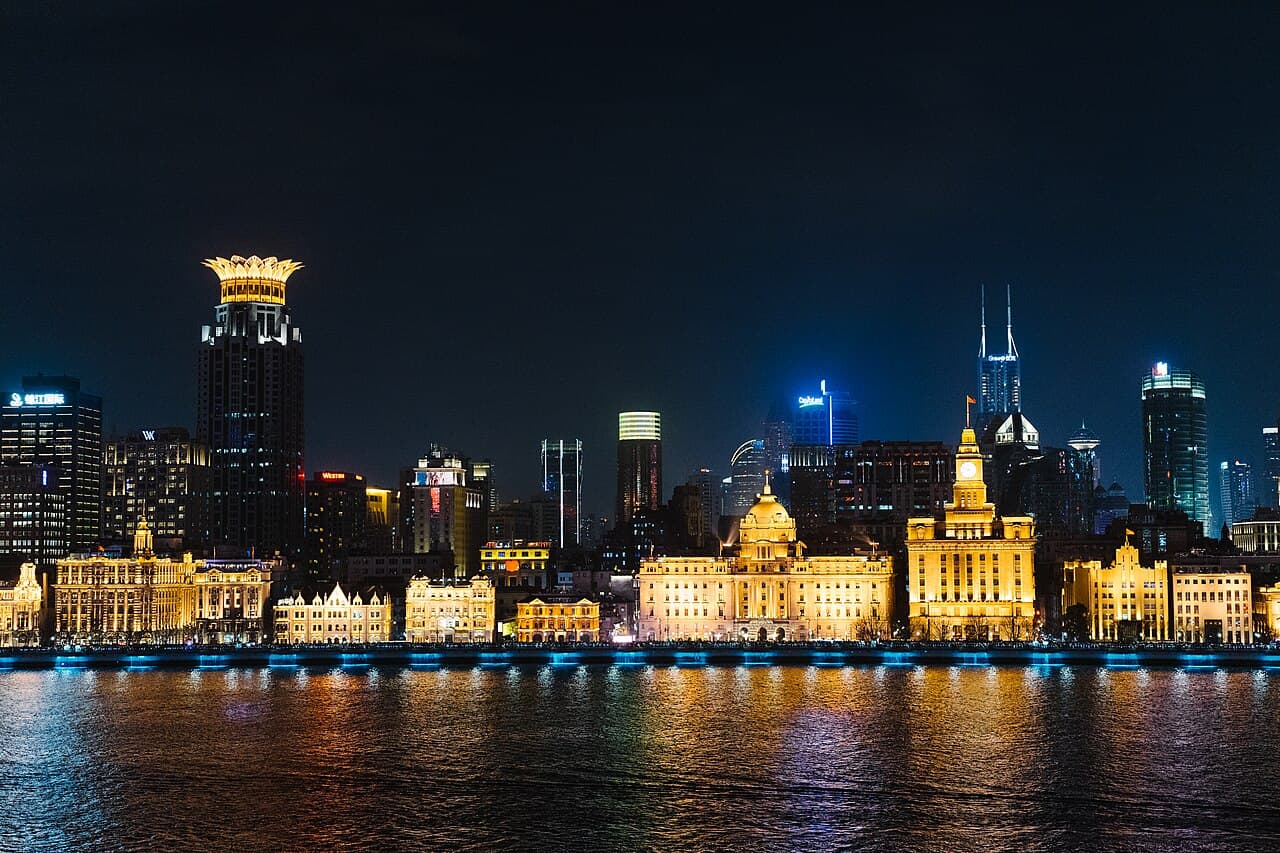
The 1.5-km riverside promenade: 52 colonial-era banks and trading houses on one side, Pudong's towers across the water. Go at night when the skyline lights up; it's free and open 24 hours.
- Free and open 24 hours; take Metro Line 2 or 10 to East Nanjing Road, then walk east 10 minutes.
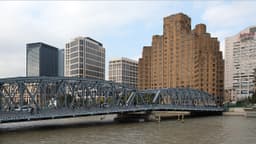
China's first all-steel bridge (1907): a 107-meter steel truss linking the Bund to the North Bund. Cross it at sunset, when it's lit with colored LEDs.
- Built 1907; lit with colored LEDs at night.
Renowned Cantonese restaurant on Fuzhou Road, famous for its mooncakes. Lunch 11:00-14:00, dinner 17:00-21:00 daily.
- Famous for Cantonese mooncakes; lunch 11:00-14:00, dinner 17:00-21:00.
Closer: Mr & Mrs Bund, right on your way
Time-honored pastry and dim sum shop on Sichuan Road: buttery sesame cakes, rice balls and festival mooncakes since the 19th century. Takeaway counter with fresh-baked goods.
- Shen Dacheng is three minutes off the promenade: a pastry stop on the Bund walk.
Long-running nautical-themed hostel in a 1930s building near East Nanjing Road: dorm bunks and private rooms, plus a famous rooftop bar overlooking the Bund and Pudong skyline. The budget pick with the best view.
- Rooftop terrace bar with Bund views; 24-hour front desk.
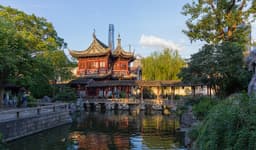
Shanghai's most celebrated classical garden: a 450-year-old Ming maze of pavilions, rockeries and koi ponds. Allow 1.5-2 hours; go in the morning before the tour groups.
- Peak season 40 CNY, off-season 30 CNY; closed Mondays except public holidays.
A century-old vegetarian and medicinal restaurant in the Yuyuan area: veggie steam buns, vegetarian noodles and a street-side takeaway counter. A noted vegetarian breakfast option near Yu Garden.
The only surviving 50-meter section of the Ming Old City wall, built 1553 against Japanese pirates, with the rebuilt Dajing Ge Pavilion on top. Open 9am-4pm; admission 5 RMB.
- Built in 1553; open 9am-4pm, admission 5 RMB.
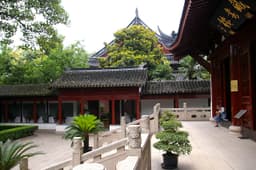
The city's only Confucian temple, tracing its origins to 1294: Ming and Qing halls, a Confucius statue and a peaceful garden. Ticket 10 RMB; open 9:00-17:00.
Time-honored tangyuan restaurant by the City God Temple: sweet black-sesame and savory pork glutinous-rice balls. Try the sweet sesame first, then the savory pork in clear broth.
- Sweet black-sesame tangyuan with a soft glutinous skin.
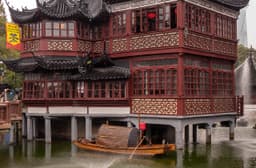
Shanghai's oldest teahouse (converted 1855), on stilts mid-lake at the end of the Zigzag Bridge. Linger over Longjing and dim sum; upstairs seats have the best atmosphere.
- The zigzag bridge was believed to deter evil spirits; upstairs seats have the best atmosphere.
- Huxinting sits mid-lake by the garden: tea on stilts after Yu Garden.
Stay put: ~13 min by taxi back from the Confucian Temple tonight, ~18 min by taxi to Sinan Mansions in the morning.
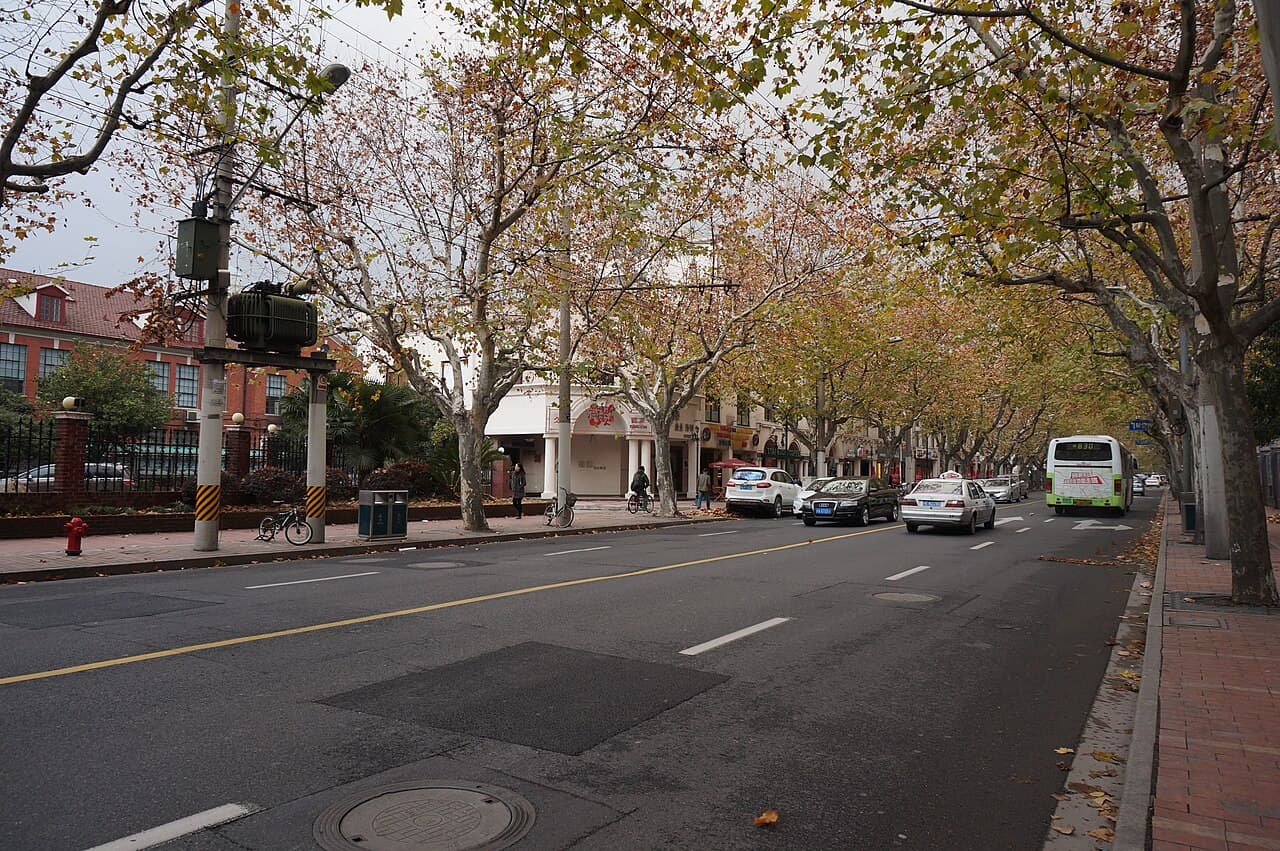

The original xiaolongbao house since 1900 in the heart of Yuyuan: paper-thin skins, juicy pork, and the famous straw-sipped 'super' soup buns. Bib Gourmand; expect a 20-30 minute queue at peak.
- Take a number from the ground-floor window for grab-and-go; expect a 20-30 minute queue at peak.
A leafy enclave of Republic-era garden villas, restored and reborn as restaurants, cafes and bookstores. Once home to Zhou Enlai and Mei Lanfang.
A 1920s French-style villa on Sinan Road that served as the Party's Shanghai office in 1946-47, now a free memorial museum with a garden. Free; Tue-Sun 9am-4:30pm.
- Free entrance; open Tuesday to Sunday, 9am-4.30pm; closed Monday.
A 1905 French Renaissance mansion, the 'Little White House': embroidery, jade and wood carving, paper cutting and lacquerwork, with live artisans at work. Ticket 8 RMB; open Wed-Sun.
- Ticket 8 RMB; live craft demonstrations on the first and third floors.
One of Shanghai's 'Heavenly Four' noodle houses: yellow croaker noodles with fish painstakingly deboned by hand. Bib Gourmand (2017); order and pay at the counter before finding a seat. Expect a queue at peak.
- Order and pay at the counter at the entrance before finding a seat.
Stay put: ~24 min by taxi back from the Arts and Crafts Museum tonight, ~12 min by taxi to the Shanghai Tower observation deck in the morning.
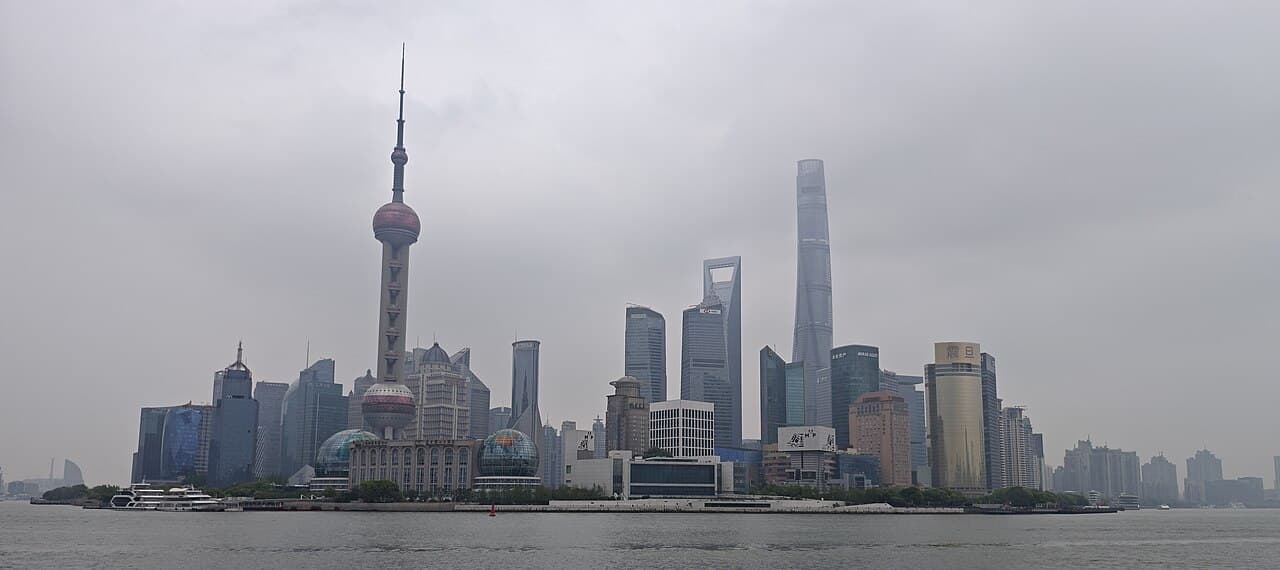
Western casual chain at the World Financial Center: burgers, salads and brunch. Open 10:00-22:00 daily.
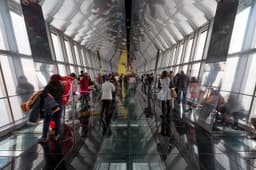
The bottle-opener tower's 100th-floor Sky Walk: a 474-meter glass-floored skybridge looking straight down to the street. Combined 94th/97th/100th ticket about 180 CNY.
- Combined 94th/97th/100th-floor ticket about 180 CNY; 94th-floor only about 120 CNY.
A stretch
The highest al fresco bar in China on the 58th floor: Southeast Asian tapas, sushi and cocktails on a terrace over the Huangpu. Smart casual dress code.
- 100 indoor and 132 outdoor seats; smart casual dress code.
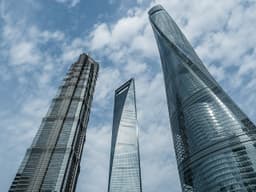
China's tallest building at 632 meters: the 118th-floor observation deck and 119th-floor cafe, reached by one of the world's fastest elevators. Adult 180 CNY covers the deck and cafe.
- Adult 180 CNY covers the 118th-floor deck and 119th-floor cafe.
- Flair is three minutes from Shanghai Tower: cocktails on the 58th floor after the deck.
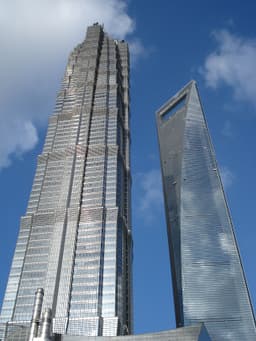
The 420.5-meter pagoda-inspired skyscraper: an 88th-floor observatory (120 CNY, 45-second elevator ride) and an open-air 60-meter skywalk with no handrails at 340.6 meters.
- Observatory 120 CNY; the Skywalk runs 15-20 minute sessions, 388 CNY on-site or 298 online.
- Shanghai Tower and Jin Mao stand side by side: two observatories, one Lujiazui afternoon. Pick one deck, not both.
Pudong's riverside Din Tai Fung: the same 18-fold xiaolongbao in a bright 250-seat room with windows overlooking the Huangpu. Daily 10:00-22:00; reservations accepted.
- Window seats overlook the Huangpu River; 5-minute walk from Lujiazui Station.
Stay put: ~12 min by taxi back from the Jin Mao Tower observatory tonight, ~12 min by taxi to the SWFC Observatory in the morning.
Where to stay in Beijing & Shanghai
Ranked for first-timer travelers on a comfortable budget. The places this plan sleeps in come first.
Beijing
Courtyard 7
A 300-year-old courtyard home turned heritage hotel: traditional furniture, underfloor heating, hidden on a quiet Nanluoguxiang back alley. 9.1/10 from 149 ratings; bike rental on site.
Double Happiness Beijing Courtyard Hotel
A 500-year-old courtyard house in the Dongsi hutongs: 31 rooms of silk canopies and mahogany, red lanterns, a beloved breakfast, and Travellers' Choice 2026. 4.7/5 from 2,067 reviews.
Nostalgia Hotel Beijing Yonghe Lama Temple
Courtyard-style boutique on Fangjia Hutong by the Lama Temple: traditional Beijing atmosphere with rooms around US$50. The budget pick for the hutongs.
Shanghai
Captain Hostel
Long-running nautical-themed hostel in a 1930s building near East Nanjing Road: dorm bunks and private rooms, plus a famous rooftop bar overlooking the Bund and Pudong skyline. The budget pick with the best view.
Hanting Hotel Shanghai Yu Garden
Budget chain hotel renovated in 2024 near Yu Garden and the Bund: clean compact rooms at the cheapest tier in the Old City. 9.2/10 from 722 Trip.com reviews; breakfast CNY 18.
Yitel Premium Shanghai Lujiazui
Yitel's premium tier on Pudong Avenue near Yuanshen Road metro: mid-range modern rooms with free WiFi and an on-site restaurant. A practical Lujiazui base for tower-hopping.
Flights to Beijing & Shanghai
Fly into PEK (PEK)
Flight results via Travelpayouts — we may earn a commission on bookings.
Getting around Beijing & Shanghai
How to actually move around each city — transit, rideshare, bikes, and taxis.
Beijing
Public transit
The Beijing Subway is the fastest way across the city: 27 lines, ~490 stations, running roughly 5:00am–11:30pm. Buses fill the gaps but are slower in traffic.
- Beijing Subway
27-line metro network (~490 stations) covering the center, both airports, the Olympic Park and the Summer Palace. Base fare ¥3 for trips up to 6 km, distance-based beyond that. Security checks at station entrances; expect crowds 7:30–9:30am and 5:00–7:30pm.
Tip: Lines 1, 2, 4, 6, 7 and 8 cover the main sights. Pay with a Yikatong/BEIJING PASS card, a metro QR code in Alipay or WeChat Pay, or contactless bank card.
- BEIJING PASS (visitor transport card)
Rechargeable transport card issued for foreign visitors by the Beijing Municipal Government. Works on the subway, buses, and suburban rail in Beijing plus public transport in 300+ Chinese cities. Buy at airport kiosks, subway service counters, or Yikatong offices (Dongzhimen, Xidan) with a passport; recharge in multiples of ¥10 up to ¥1,000.
Tip: If you prefer no physical card, activate a metro QR code in Alipay or WeChat Pay (Transport/Transit Code) before you reach the gates — fares are deducted automatically on exit.
Rideshare
Didi is China's Uber-equivalent and the default way to book a car in Beijing. It has an English interface and accepts international credit cards.
- Didi Chuxing
China's dominant ride-hailing app: Express (budget), Premier (upscale), shared Express Pool, plus Didi Bike e-bikes. Base fare around ¥10–15; a 20-minute 8 km ride in Beijing runs roughly ¥30–40 in Express. English version available; link an international credit card or pay with Alipay/WeChat Pay. Also bookable from inside Alipay.
Tip: Avoid 7–9am and 5–7pm on weekdays when surge pricing can double fares. The driver will ask for the last digits of your phone number to verify the pickup.
Bikes
Dockless bikeshare bikes are everywhere in central Beijing and ideal for short hops (hutongs, subway station to hotel). Unlock via Alipay or WeChat mini-programs — no separate app needed.
- HelloBike / Meituan Bike (dockless bikeshare)
The two big dockless platforms: HelloBike (white/blue, via Alipay mini-program) and Meituan Bike (orange/yellow, via Meituan app or mini-program). Roughly ¥1.50 for 30 minutes; no deposit. Scan the QR code on the bike to unlock, end the ride in the mini-program and lock the rear wheel. Most main roads have dedicated bike lanes.
Tip: Foreign passport holders can take longer to verify — set up the mini-program and payment before you need a bike. End trips inside the service zone shown on the map or face a relocation fee.
Taxis
Licensed taxis are cheap for groups of 3–4 but slow in traffic. Always insist on the meter; tipping is not expected.
- Beijing licensed taxis
Metered taxis (roof TAXI sign, license plate starting 京B, driver ID displayed). Flag on the street, use taxi stands at airports/stations/hotels, or book via Didi. Pay by cash, WeChat Pay, or Alipay; international cards generally not accepted. A 5 km ride can take 30 minutes at rush hour. No tipping — pay what the meter shows plus any legal fuel surcharge or tolls.
Tip: Have your destination in Chinese characters — most drivers don't read English street names. Always ask for a receipt (fapiao); it records the taxi number.
Shanghai
Public transit
The metro is the backbone of getting around Shanghai — one of the world's largest networks — with buses covering the gaps, the maglev sprinting to Pudong Airport, and ferries crossing the Huangpu. Contactless bank cards and phone QR codes work at the gates.
- Shanghai Metro
One of the world's largest metro networks — 19 lines and 800+ km linking both airports, the railway stations and every major district, with English signage throughout. Distance-based fares start at ¥3 for the first 6 km; trains run roughly 5:30am to 11pm.
Tip: Skip the ticket machines: tap a contactless Visa, Mastercard, UnionPay or Amex card at the gate, or ride with a QR code from the Metro Daduhui app.
- Shanghai Maglev
The world's first commercial maglev line, running between Longyang Road metro station and Pudong International Airport in about 8 minutes at up to 300 km/h. The standard one-way fare is ¥50 (¥40 with the Shanghai Public Transportation Card); trains run 6:45am–9:40pm every 15–20 minutes.
Tip: Flying out of Pudong? Show a same-day boarding pass for the discounted air-passenger fare, and budget the 10-minute Line 2 ride from downtown to Longyang Road.
Rideshare
DiDi is the default way to hail a car, with full English support and foreign cards accepted; Amap aggregates DiDi and smaller fleets so you can compare prices. Both are far cheaper than taxis in most Western cities.
- DiDi Chuxing
China's dominant ride-hailing app, with a full English interface, English-speaking support and international credit cards accepted. DiDi Express is the cheap everyday option; DiDi Taxi books a metered cab; Premier handles airport pickups.
Tip: Set up DiDi before you land — it accepts foreign phone numbers, and in-app chat auto-translates between you and the driver.
- Amap (Gaode)
Alibaba's map app (Gaode) doubles as a ride-hailing aggregator, comparing DiDi, Xiangdao and smaller fleets on one screen with upfront prices. It also replaces Google Maps here, with metro, bus and walking directions.
Tip: Get Amap Global from your app store; log in with Alipay or WeChat to unlock hailing, bike rental and transit QR codes in one place.
Bikes
Dockless shared bikes are the city's best last-kilometer option — unlock one outside any metro station with Alipay or WeChat and ride the flat, bike-laned streets. No deposit or local phone number required.
- HelloBike
One of Shanghai's three big dockless bike networks alongside Meituan and DiDi's Qingju — blue bikes clustered outside every metro station. Unlock with the HelloBike app or the Alipay mini-program; rides run about ¥1.50–2.50 per 30 minutes.
Tip: End the ride inside the service zone shown on the map and flick the rear-wheel lock shut manually, or the meter keeps running.
- Meituan Bike
The yellow bikes of Meituan's dockless network, everywhere in central Shanghai and rentable through the Meituan app or Alipay/WeChat mini-programs. Same short-hop pricing as rivals — handy when no HelloBike is in sight.
Tip: A 7-day unlimited pass costs only a few yuan — worth it if you'll bike more than twice a day.
Taxis
Licensed metered taxis are plentiful and cheap, though most drivers speak little English. Hail on the street, call a fleet hotline, or book through DiDi — never accept a flat fare from a tout.
- Qiangsheng Taxi
One of Shanghai's biggest licensed taxi fleets (orange cabs), bookable by street hail, the 62580 English hotline or DiDi. Flagfall is ¥14–16 for the first 3 km, then ¥2.7/km; night rates run 11pm–5am. No tipping — pay the meter and take the fapiao receipt.
Tip: Have your destination written in Chinese characters — most drivers speak little English — and never board a cab whose driver won't run the meter.
Keep exploring
More itineraries for this trip.
- Photo: Another Believer · CC BY-SA 4.03 days
3 Days in Beijing: The Classics — Forbidden City, Temple of Heaven & Peking Duck
Three days through Beijing's imperial core: the Forbidden City, Tiananmen Square and the Temple of Heaven, with hutong lanes, temple mornings and Peking duck in between. Climb Jingshan for the palace panorama, stroll Nanluoguxiang and finish evenings at the Houhai lakes. The plan re-plans itself around how you travel — your pace, budget and interests reshape every day.
Read the itinerary → - Photo: King of Hearts · CC BY-SA 4.07 days
7 Days in Shanghai: Icons, Old Lanes & a Slow Full Week
Seven unhurried days in Shanghai: the Bund at night and a Huangpu river cruise, Yu Garden and the Old City's snack streets, slow afternoons in the French Concession's lanes, villas and art museums, a Pudong day of skyscraper decks and riverside walks, and a full food-and-markets day of dumplings, noodles and tea houses. Answer a few questions and the plan re-plans itself around how you travel: your pace, your budget, your stops.
Read the itinerary → - Photo: King of Hearts · CC BY-SA 4.05 days
5 Days in Shanghai: Icons, Old Lanes & Unhurried Days
Five days in Shanghai at a relaxed pace: the Bund at night and a Huangpu river cruise, Yu Garden and the Old City's snack streets, slow afternoons in the French Concession's lanes and art streets, Xintiandi, Tianzifang and the Shanghai Museum, plus a deep-dive day in Pudong's skyscraper decks and riverside cafes. Answer a few questions and the plan re-plans itself around how you travel: your pace, your budget, your stops.
Read the itinerary → - Photo: King of Hearts · CC BY-SA 4.04 days
4 Days in Shanghai: Icons, Old Lanes & the Pudong Skyline
Four days in Shanghai for first-timers: the Bund at night and a Huangpu river cruise, Yu Garden and the Old City's snack streets, the French Concession's lanes, cafes and villas, and a deep-dive day in Pudong's museums and skyscraper decks. Answer a few questions and the plan re-plans itself around how you travel — your pace, your budget, your stops.
Read the itinerary →